Specifying wallcovering for a restaurant starts with understanding where it will be installed and the level of contact, cleaning and wear the area will experience. Material durability, cleanability and required fire performance should be considered alongside colour, pattern and finish.
A feature wall in a private dining room has very different performance requirements from a wall beside a busy circulation route or banquette. The key is therefore to match the wallcovering specification to each area of the restaurant rather than choosing one material for the entire project.

Which Areas of a Restaurant Are Suitable for Wallpaper?
Wallpaper can be used throughout many areas of a restaurant, helping to create atmosphere, define different spaces and reinforce the overall interior concept. However, each area places different demands on the wallcovering, so factors such as traffic, contact, cleaning and moisture should be considered.
| Restaurant area | Main considerations |
|---|---|
| Main dining room | Atmosphere, cleaning, durability |
| Bar | Staining, cleaning, high contact |
| Reception and entrance | Visual impact, high traffic |
| Private dining | Design impact, atmosphere |
| Banquette areas | Contact, abrasion, staining |
| Corridors | Impact, abrasion, cleaning |
| Washrooms | Moisture, ventilation, cleaning |
| Kitchen and food preparation | Specialist requirements; wallpaper may not be appropriate |
A private dining room may offer more freedom to prioritise texture and finish, while walls beside seating, in corridors or around bars may need greater resistance to scuffs, stains and regular cleaning. Washrooms require additional consideration of moisture and ventilation, while kitchens and food preparation areas may require specialist surfaces instead.
For this reason, wallcovering should be selected according to the individual area and how the space will be used.

How Durable Does Restaurant Wallcovering Need to Be?
Restaurant wallcoverings need to be durable enough for the level of traffic, contact and cleaning expected in each area. Walls beside dining chairs, banquettes, bars and busy corridors are more likely to experience scuffs, stains and repeated cleaning than decorative walls in quieter dining spaces.
For high-contact areas, Feathr’s Type I and Type II vinyl wallcoverings are designed for commercial interiors where greater durability and cleanability are required. Type II vinyl is particularly suited to demanding, high-traffic areas, while Type I vinyl provides a durable commercial option for areas with more moderate wear. Feathr’s standard non-woven and decorative finishes can be considered for lower-contact areas where texture and appearance are the greater priority.
The best material should therefore be selected according to the individual wall, balancing durability and maintenance requirements with the desired finish.

What Type of Wallcovering Is Best for Restaurants?
There is no single material that is best for every restaurant. Feathr offers several wallcovering options that allow the specification to be adapted to the requirements of different spaces.
Non-Woven Wallpaper
Best suited to: Lower-contact dining areas, private dining rooms and feature walls.
Feathr’s Easy-Hang non-woven wallpaper is durable and tear resistant with a smooth, matt finish. It is PVC-free and can be wiped with a damp cloth or sponge, making it suitable for decorative areas where heavy-duty performance is not required.
Heavy Vinyl Wallcovering
Best suited to: Busy dining rooms, banquette areas, corridors and other demanding spaces.
Feathr’s Heavy Vinyl is a 350 gsm contract-grade wallcovering with an embossed, canvas-like surface. It is super washable, antibacterial and resistant to spills and stains, making it particularly useful in restaurant areas exposed to frequent contact and cleaning.
Type II PVC-Free Wallcovering
Best suited to: High-traffic commercial interiors requiring a PVC-free solution.
Feathr’s Type II wallcovering combines contract-grade performance with a smooth matt finish. The fabric-backed material is washable, stain repellent and PVC-free. It is supplied in 128 cm wide panels cut to wall height and currently carries a USA Class A ASTM E84 fire rating.
Textile Wallcovering
Best suited to: Private dining rooms and refined decorative areas.
Feathr’s Textile wallcovering has a tactile, canvas-like matt surface that adds depth and softness to artwork. It is washable and PVC-free and can be considered where texture is an important part of the interior concept.
Metallic Wallcovering
Best suited to: Bars, entrances, private dining rooms and statement walls.
Feathr’s Luxury Metallic wallcoverings are available in Gold, Silver and Bronze finishes. The heavyweight 260 gsm material is washable and suitable for commercial projects. Its lightly reflective surface responds to surrounding light, making it particularly effective in atmospheric restaurant interiors.
Grasscloth Wallcovering
Best suited to: Lower-contact spaces where natural texture is a priority.
Grasscloth wallcovering introduces natural variation and tactile character. Its suitability should be considered carefully according to the expected level of contact and cleaning, particularly compared with more resistant contract-grade materials.
IMO-Certified Wallcoverings
Restaurants aboard cruise ships and ferries require wallcoverings that meet relevant marine requirements. Feathr offers made-to-order IMO-certified wallcoverings for marine hospitality projects, with existing designs or bespoke artwork available depending on the project.

Does Restaurant Wallpaper Need to Be Washable?
Cleanability is particularly important in restaurants, where walls may encounter food and drink splashes, fingerprints, grease and repeated cleaning.
Before specifying a wallcovering, ask a simple but important question:
How will the restaurant’s walls actually be cleaned?
Consider the frequency of cleaning, the products used and the likelihood of staining in each location. There is also a difference between a surface that can be lightly wiped and one designed for more intensive cleaning.
Feathr’s Easy-Hang wallpaper can be wiped with a damp cloth or sponge, while Heavy Vinyl provides a super-washable surface for more demanding areas. Type II is also washable and stain repellent.
Understanding the operator’s cleaning regime before specification helps ensure that the chosen material can maintain its appearance over time.

Can Wallpaper Be Used Everywhere in a Restaurant?
Wallpaper can be used extensively in restaurant interiors, but it is not the right surface for every location. Suitability should be considered carefully in areas exposed to food preparation, persistent moisture, direct heat, grease or intensive cleaning and hygiene requirements. This is particularly important around commercial kitchens, sinks and other working areas where surfaces may need specialist finishes.
The architect or designer should also check the local hygiene, building and fire-safety requirements for the project, as these can influence which materials are suitable for different areas of a restaurant.
Where additional protection is needed, wallpaper can be combined with more resistant materials rather than avoided altogether. For example, tile, stone, timber, panelling or another protective finish can be used on the lower or more exposed section of a wall, with wallpaper installed above it. This allows practical requirements to be addressed without sacrificing the colour, pattern and atmosphere that wallcovering can bring to the interior.
This approach works particularly well around banquettes, bars and busy dining areas, where the lower part of the wall is likely to receive considerably more contact than the area above.

What Fire Rating Is Required for Restaurant Wallcoverings?
There is no single fire rating that applies to every restaurant wallcovering project. Requirements vary depending on the country, building type, occupancy, location of the wallcovering, substrate and local building regulations. Restaurants within hotels, shopping centres or other larger commercial buildings may also be subject to additional project-specific requirements.
For this reason, the required fire performance should always be confirmed with the project architect, fire consultant or relevant local authority before a wallcovering is specified. It is also important to consider the complete installation, as the substrate, adhesive and method of installation may form part of the overall fire-safety assessment.
Feathr can provide technical information and fire-rating documentation for relevant commercial wallcovering materials to help architects and designers with specification. For example, Feathr’s Type II PVC-Free wallcovering has a USA Class A ASTM E84 fire rating. Dedicated IMO-certified wallcovering materials are also available for marine hospitality interiors, such as restaurants and dining spaces aboard cruise ships.
For commercial restaurant projects, we recommend confirming the required classification early in the specification process so that an appropriate Feathr material can be selected for the project.

How Does Wallpaper Affect the Atmosphere of a Restaurant?
Wallpaper can shape the atmosphere of a restaurant at an architectural scale, influencing how the entire space feels rather than simply decorating a wall. Colour, pattern, scale and material finish can all be used deliberately to support the restaurant’s design concept and create a distinct sense of place.
Large-scale murals can turn entrances, bars and private dining rooms into memorable focal points, while repeating patterns can establish rhythm and continuity across a larger dining space. Material also plays an important role: a matt surface can create a softer, calmer backdrop, while Feathr’s metallic finishes interact with light to bring subtle depth and reflectivity to the interior.
Restaurant interiors are experienced differently throughout the day. A wallcovering selected in bright studio lighting can feel completely different during evening service. Natural daylight, low ambient lighting, candles and decorative fixtures can transform the appearance of colour, pattern and metallic details. Wallcovering should therefore be considered as part of the restaurant’s complete lighting and material scheme, and ideally viewed under conditions similar to those in which guests will actually experience the space.
How Does Lighting Affect Restaurant Wallpaper?

Lighting plays an important role in how wallpaper is experienced in a restaurant. The same design can appear noticeably different under natural daylight, warm ambient lighting, directional spotlights or candlelight, so wallcovering should always be considered as part of the wider lighting scheme.
Colour is particularly sensitive to changing light. Darker tones can become richer and more atmospheric during evening service, while pale colours may feel warmer beneath low-temperature lighting. Pattern can also change in prominence: fine details that are clearly visible during the day may become softer and more subtle as lighting levels fall.
The relationship between light and surface finish is equally important. Directional lighting can reveal texture and create subtle shadow across the wall, while Feathr’s metallic wallcoverings respond to changing light with varying levels of reflection and depth. This means their appearance can shift as guests move through the restaurant or as the lighting changes from day to evening.
For this reason, samples should ideally be assessed in the restaurant itself and under its intended lighting conditions. A restaurant designed primarily for evening dining should not select its wallcovering based solely on how a sample appears in bright midday or studio light. Testing the material alongside the proposed lighting, furniture and finishes gives a much more accurate impression of the final atmosphere.

Should a Restaurant Use Repeating Wallpaper or a Mural?
The choice between a repeating wallpaper and a made-to-measure mural depends on the architecture of the restaurant and the role the wallcovering is intended to play within the space.
Repeating designs work particularly well across larger dining rooms, multiple walls and spaces with more complex architecture. Because the pattern continues naturally across the surface, it can wrap around corners and architectural features while creating a consistent visual rhythm throughout the restaurant. This makes repeating wallpaper particularly effective when the aim is to establish an overall atmosphere rather than a single focal point.
Made-to-measure murals offer a more architectural approach. Designed specifically for the dimensions of a wall, they can create a strong sense of place in entrances, behind bars, within private dining rooms or on statement walls. The scale and positioning of the artwork can also be adjusted so that important elements interact intentionally with the surrounding interior.
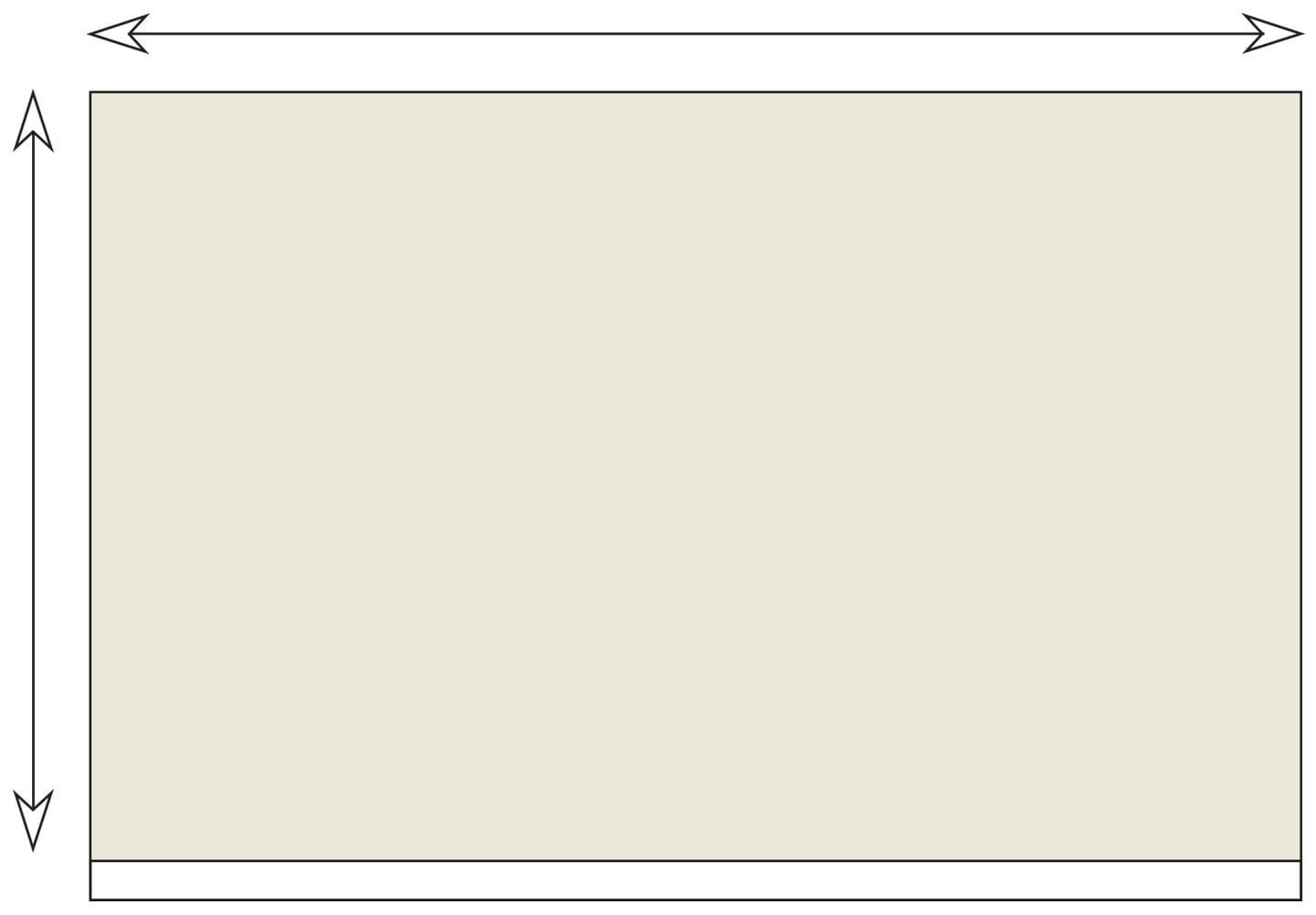
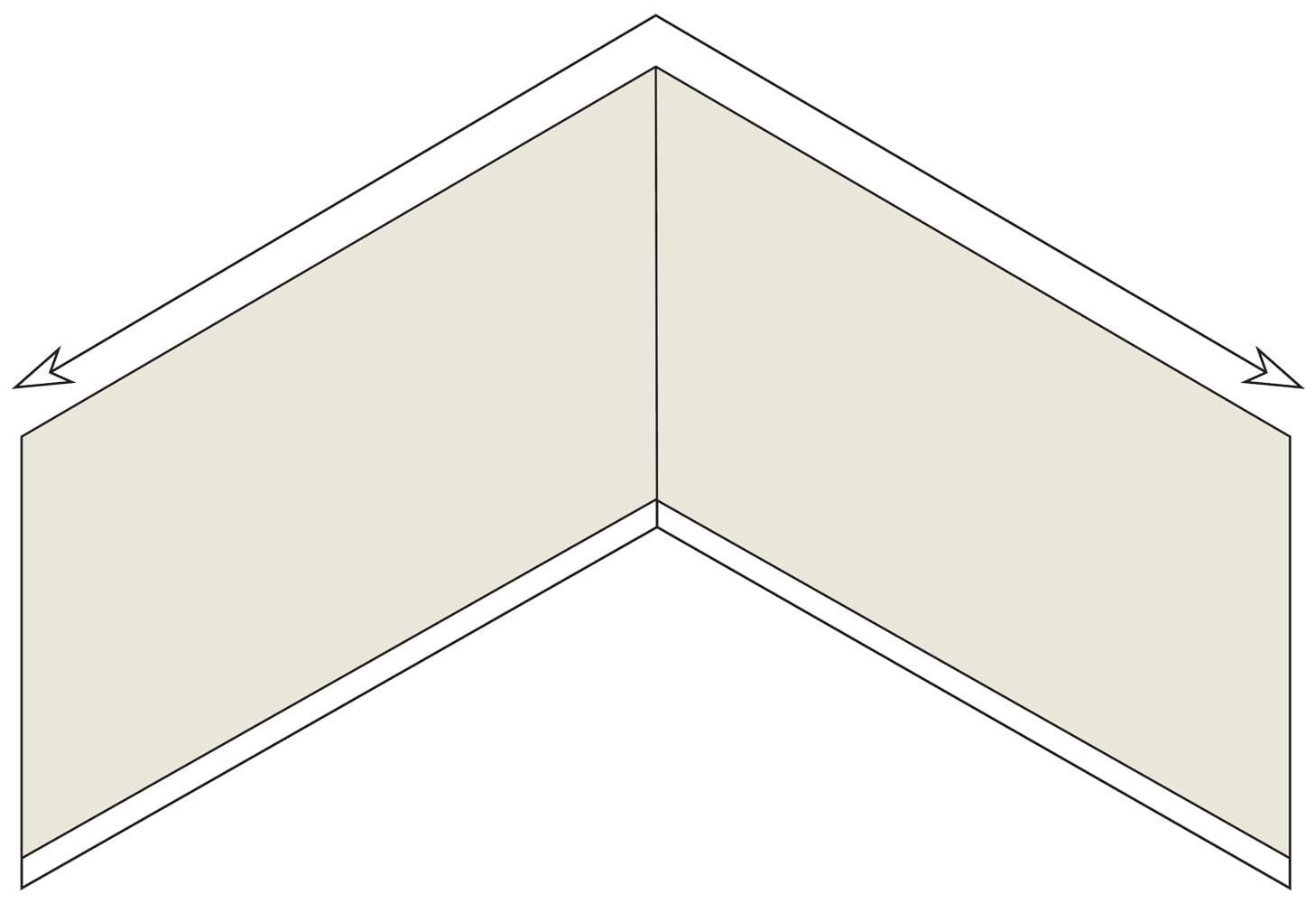
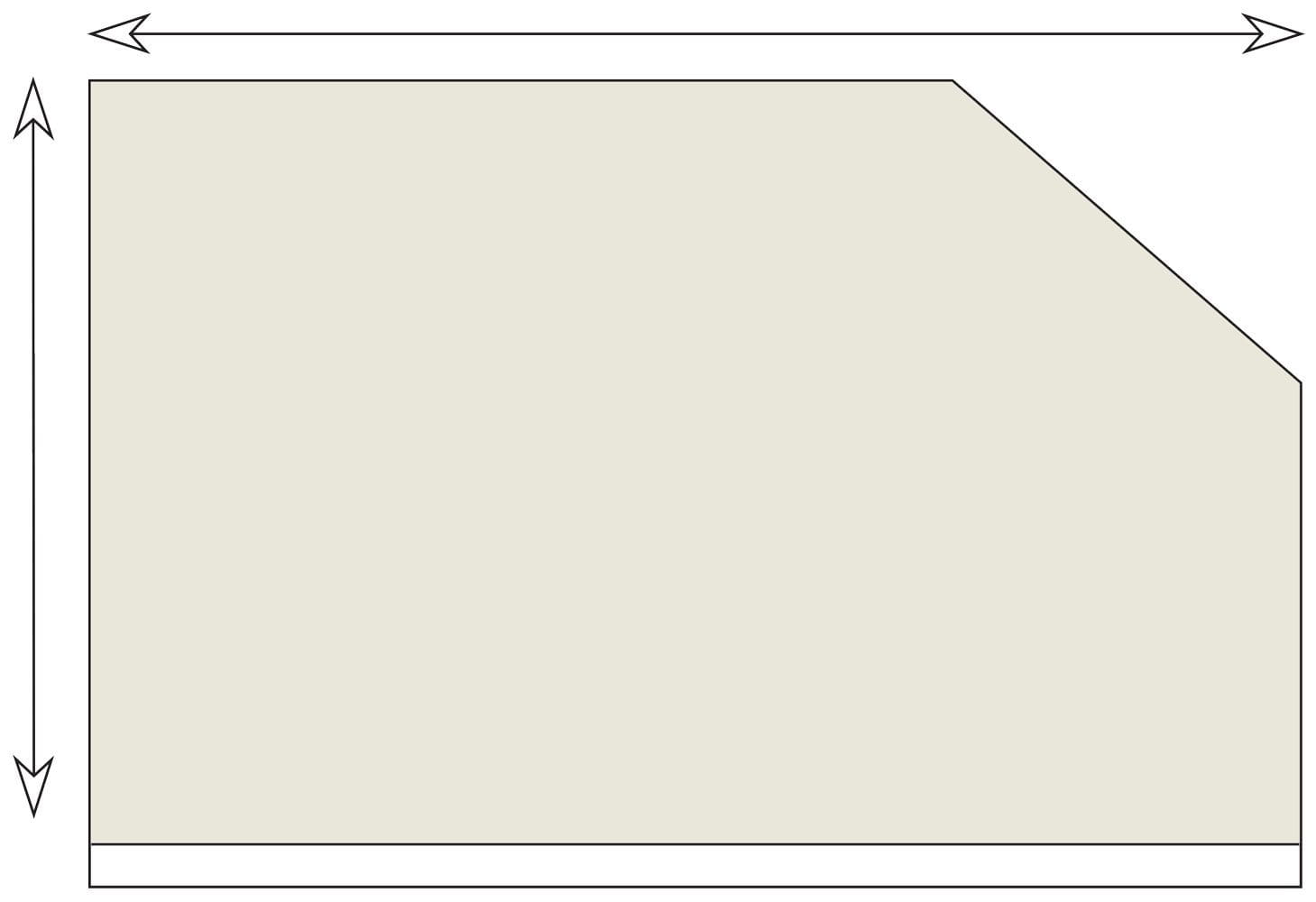
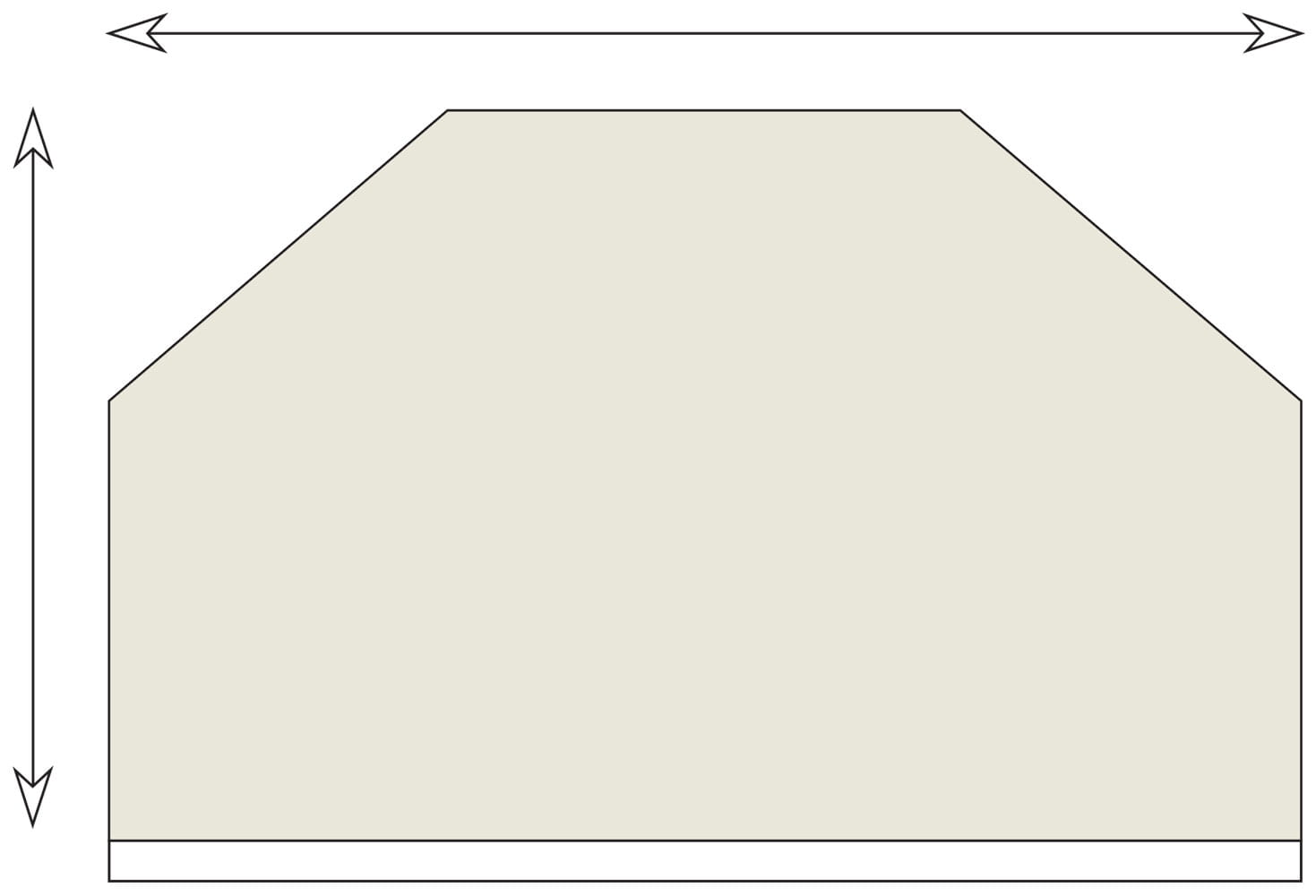
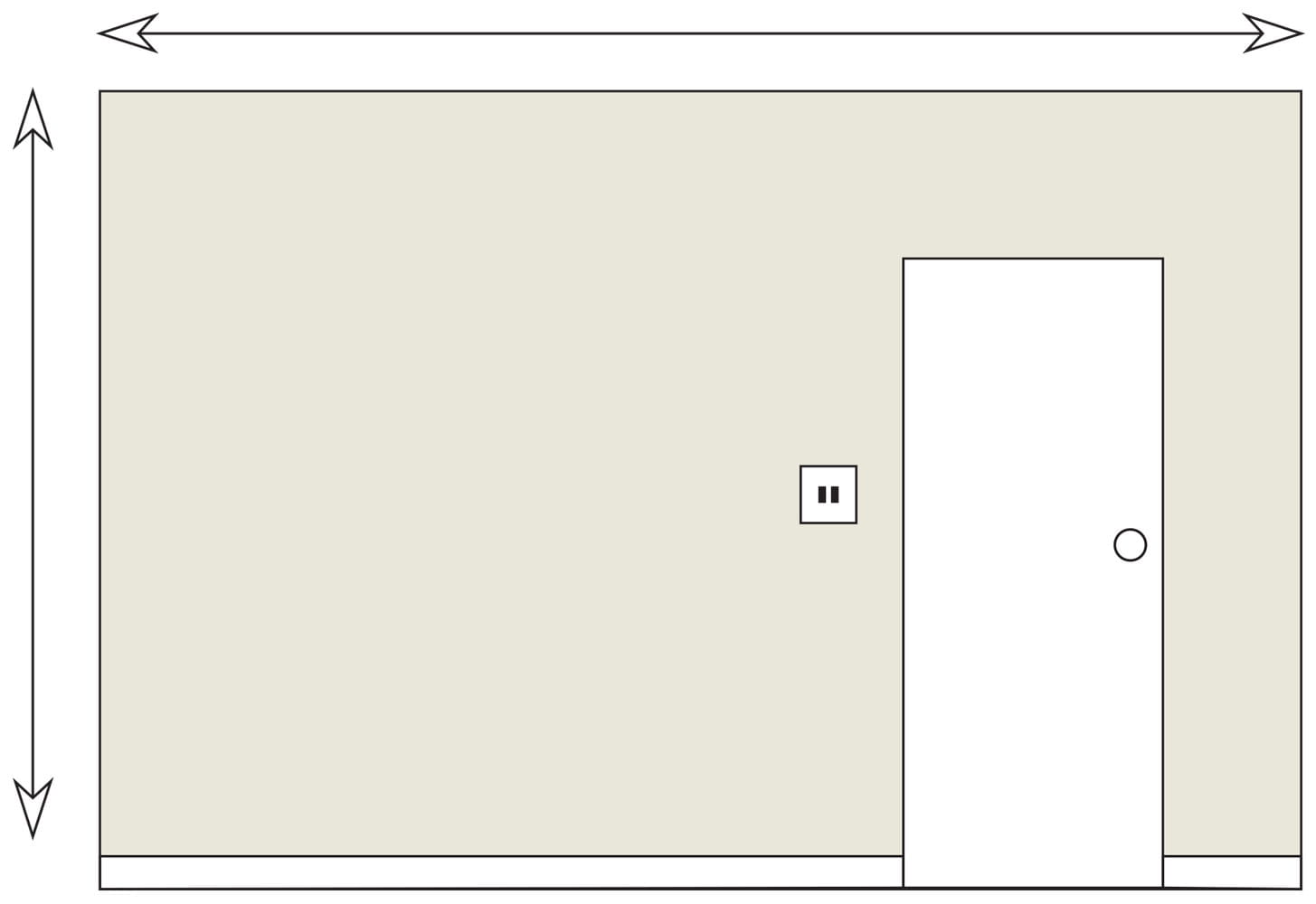
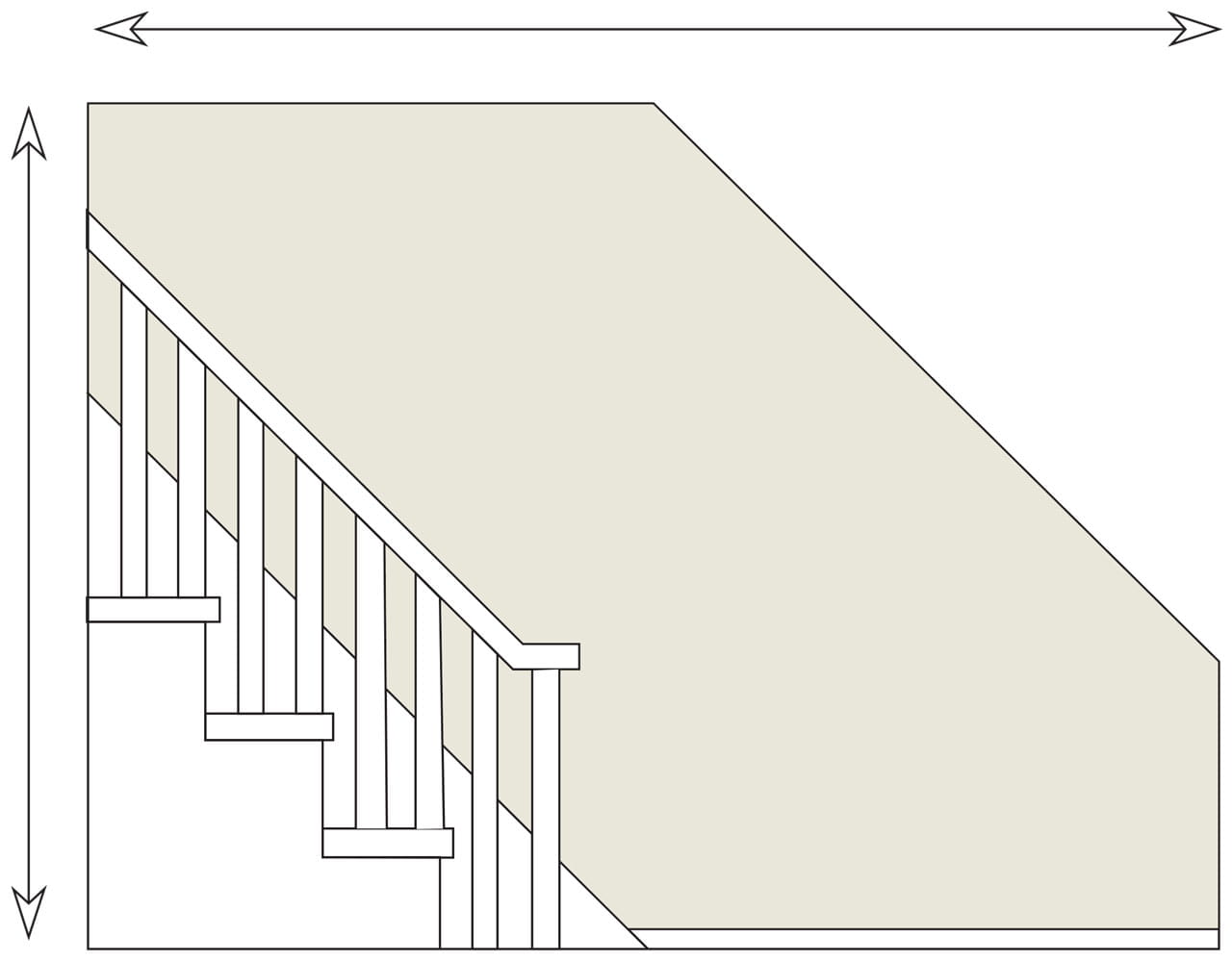
When specifying a mural, doors, windows, banquettes, furniture and other architectural features should be considered as part of the composition rather than treated as obstacles. Accurate wall measurements are essential, as the artwork is produced specifically for its intended location.
In many restaurant projects, the two approaches can also be combined: a mural can define a key destination within the interior, while repeating wallpaper creates continuity through the surrounding dining spaces.

How Can Restaurant Wallpaper Be Customised?
Customisation allows wallcovering to become part of the restaurant’s wider interior identity rather than simply a decorative surface. At Feathr, all wallpaper designs can be customised, giving architects and interior designers considerable flexibility when adapting a design to a hospitality project.
Feathr can customise restaurant wallcoverings in several ways:
- Colour — Existing designs can be recoloured to coordinate with upholstery, furniture, stone, timber, lighting or a restaurant’s wider colour palette.
- Scale — Artwork can be enlarged or reduced to respond to the proportions of the room, wall dimensions and typical viewing distance.
- Layout and composition — Individual elements can be repositioned so that important details remain visible around doors, windows, banquettes, bars, lighting and permanent furniture.
- Made-to-measure murals — Mural artwork can be adapted precisely to the dimensions and architecture of a particular wall.
- Material and finish — Designs can be produced on different Feathr materials depending on the performance requirements of the project, including commercial wallcoverings and metallic finishes where appropriate.
- Completely bespoke artwork — Feathr can also develop an original wallcovering specifically for a restaurant, creating a design around the project’s concept, architecture, location or creative brief.
Custom wallpaper does not have to mean adding obvious branding or placing a restaurant logo across a wall. Often, the most effective approach is more subtle: a distinctive colour palette, specially scaled artwork or a bespoke composition can give a restaurant its own visual identity while remaining integrated with the architecture.
For larger or more complex hospitality projects, Feathr can also work with designers to adapt artwork across specific wall dimensions and architectural features, helping ensure that the finished wallcovering feels intentionally designed for the space rather than simply applied to it.

Why Should Restaurant Wallcovering Be Sampled?
Sampling is an important part of specifying wallcovering for a restaurant because colour, texture and finish can appear very different in the finished interior than they do on screen. Whenever possible, samples should be assessed within the restaurant itself and alongside the other materials being specified.
Place samples next to upholstery, flooring, timber, stone, metalwork and furniture finishes to understand how the complete material palette works together. Sampling also provides an opportunity to assess the physical texture and quality of the chosen wallcovering material.
Lighting is particularly important in hospitality interiors. Ideally, samples should be viewed during the hours when the restaurant will primarily operate. For an evening restaurant, this means assessing the wallcovering under the warmer and often lower lighting levels used during dinner service, rather than relying solely on bright daylight.
This is especially valuable for metallic, dark and highly detailed Feathr designs, where changes in light can significantly affect depth, colour and reflectivity. Feathr offers samples across its wallpaper collection, allowing designers to compare both the artwork and appropriate material options before making a final specification.

How Much Wallpaper Should Be Ordered for a Restaurant?
Wallpaper quantities depend on more than the total wall area. The calculation may need to account for:
- wall dimensions
- material or panel width
- pattern repeat
- doors and windows
- trimming
- installation method
- waste allowance
- mural dimensions
Made-to-measure murals require accurate measurements because the artwork is produced for specific wall dimensions.
For larger commercial projects or complicated spaces, involve the wallpaper supplier and installer when calculating quantities. This can reduce the risk of shortages and help account for pattern matching, unusual corners or other installation requirements.
Should Restaurants Order Spare Wallcovering?
Keeping replacement stock can be valuable, particularly in high-contact areas.
Over time, restaurant walls may be damaged by chairs, furniture, spills, maintenance work or alterations to the interior. Having additional material available can make localised repairs considerably easier.
There can also be small differences between separate print or production batches. Where maintaining a consistent finish is important, consider agreeing an appropriate quantity of replacement stock when placing the original order.
The amount required will depend on the size of the project, material and likelihood of future damage.
When Should the Wallpaper Installer Become Involved?
For significant restaurant projects, the installer should ideally be involved before the final wallcovering order is placed.
An experienced installer can assess:
- wall condition and preparation
- required quantities
- adhesive
- seams and pattern matching
- corners and architectural details
- installation sequence
- site access and programme
Different wallcovering materials may also require different installation methods, so the installer should review the manufacturer’s instructions for the selected material.
Early involvement is particularly useful for restaurant projects with fixed opening dates, where delays caused by wall preparation, material shortages or installation complications can affect the wider programme.

What Should a Restaurant Wallcovering Specification Include?
A clear wallcovering specification gives the designer, supplier, contractor and installer the information they need to order and install the correct product. It should identify what the wallcovering is, where it will be installed, how much is required and any technical or installation requirements.
A specification might look like this:
| Specification | Example |
|---|---|
| Manufacturer | Feathr |
| Design | Name of selected wallpaper design |
| Colourway | Green |
| Material | Type II commercial wallcovering |
| Product/reference | Feathr product or project reference |
| Wall/application | Main dining room, feature wall |
| Wall dimensions | 5.2 m wide × 3.1 m high |
| Pattern repeat | As specified for selected design |
| Fire performance | Required project classification / relevant test documentation |
| Cleaning requirements | Washable finish suitable for commercial use |
| Installation method | According to Feathr installation instructions |
| Adhesive | Recommended adhesive for selected material |
| Quantity | Calculated from wall dimensions with appropriate installation allowance |
| Replacement stock | Additional material if required for future repairs |
| Custom artwork reference | Approved artwork/layout file, if applicable |
| Supplier contact | Feathr project/customer service contact |
For a standard repeating wallpaper, many of these details can be taken directly from the product and material specifications. For a customised design or made-to-measure mural, the approved artwork and layout reference should also be included. This ensures that elements positioned around doors, windows, furniture or other architectural features can be checked against the final production file before printing.
For larger restaurant projects, keeping this information together in the specification also makes communication between the design team, Feathr and the installer much simpler.
Restaurant Wallcovering in Practice
A completed restaurant project can show how wallcovering works beyond the sample, bringing together design, material, architecture and lighting within a real hospitality interior. When documenting a Feathr restaurant project, it is useful to record both the practical requirements and the thinking behind the final specification.
A case study could be structured like this:
| Project detail | Example |
|---|---|
| Project | Restaurant interior project |
| Location | City, Country |
| Interior designer | Design studio / architect |
| Application | Main dining room feature wall |
| Feathr design | Oh La La Verdigris |
| Material | Selected Feathr commercial wallcovering |
| Project requirement | Create a distinctive focal point suitable for a hospitality environment |
| Customisation | Colour, scale or layout adjusted if required |
| Solution | Wallcovering selected to complement the restaurant’s architecture, material palette and atmosphere |
The finished case study should explain why the design was chosen, why the particular wallcovering material was appropriate and whether the artwork was customised for the space. It can also consider how the design responds to architectural features, furniture and lighting, and how its appearance changes between daytime and evening service.
Where these details are not available for a completed Feathr project, it is better to add the case study later rather than present assumptions as project information.

How to Specify Wallcoverings for a Restaurant Project
Successful restaurant wallcovering specification brings together design intent, material performance and the practical demands of hospitality interiors. Rather than choosing a wallcovering based on appearance alone, consider where each wall is located, how much contact and cleaning it will experience, and any fire, durability or maintenance requirements before selecting the material and finish.
Sampling is an important part of this process. Viewing the wallcovering alongside the restaurant’s stone, timber, upholstery and other finishes — and under the lighting used during actual service — provides a much clearer understanding of how the finished interior will feel. For custom murals and more complex installations, involving the installer early can also help identify potential issues before production begins.
Feathr works with interior designers, architects and hospitality professionals throughout the specification process, from selecting appropriate commercial materials and ordering samples to customising colours, scale and artwork layouts. For projects requiring something completely unique, Feathr can also create bespoke wallcoverings developed specifically around the restaurant’s architecture and interior concept.